
Sell Your House With Owner Financing in North Carolina
Cash is not the only way to sell. When you owe about what the house is worth, or would sooner be paid over time, we can buy with owner financing or take over your mortgage payments. The risks are spelled out below.
500+
houses bought since 2018
13
counties around Charlotte
4.8 ★
on Google, 52 reviews
Two sales that were not all cash
Real homes on real streets that we actually purchased. No stock images. Names and house numbers are left out for the sellers’ privacy.
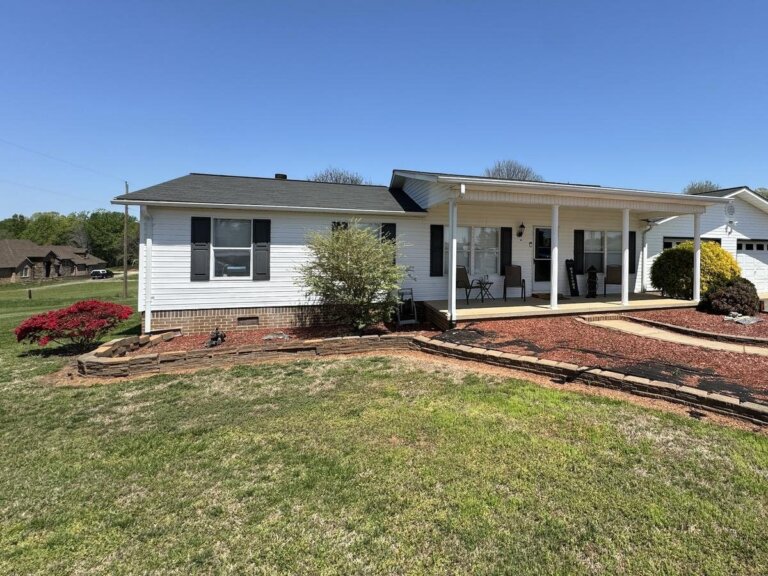
2024 · We took over his payments
Wagner Road, Taylorsville
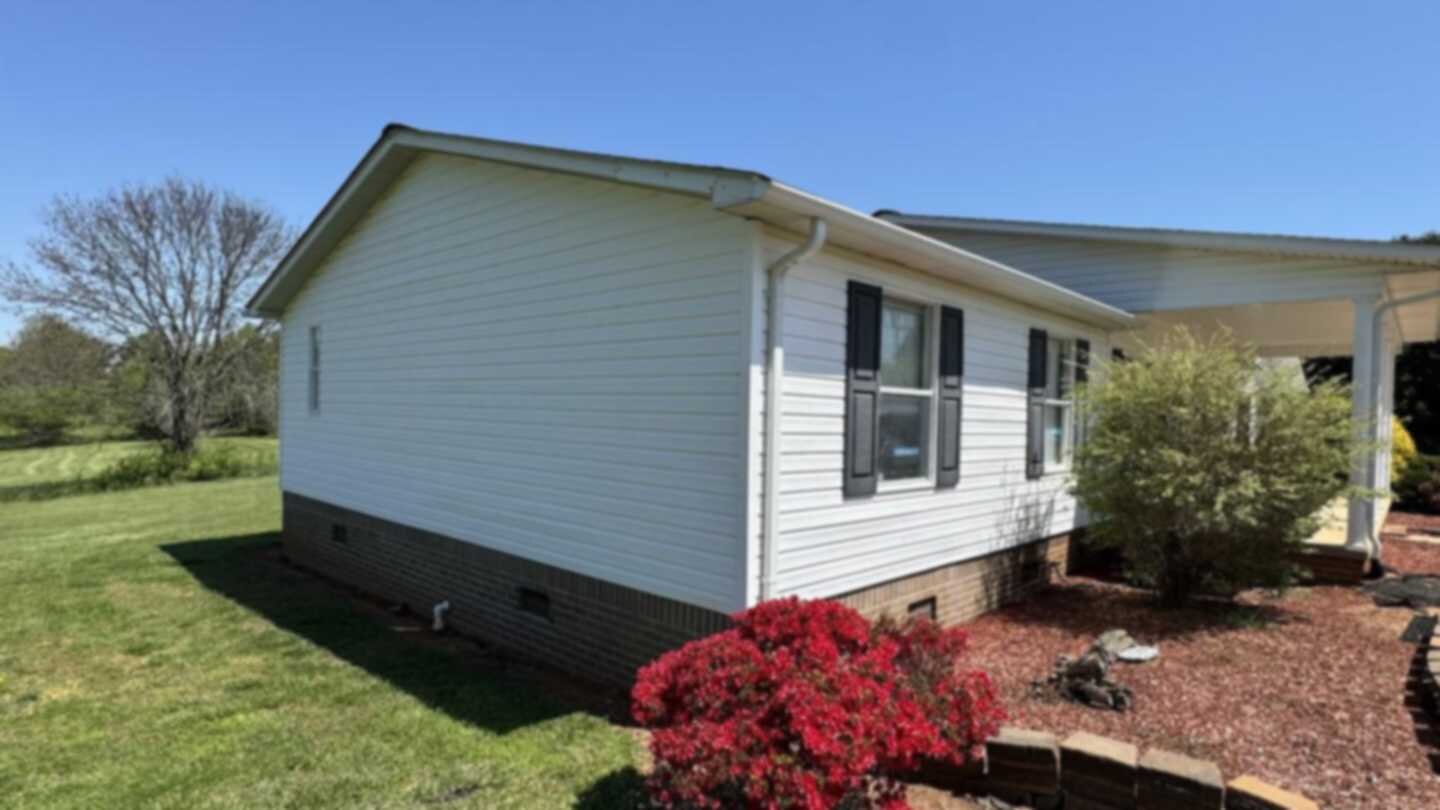
He was about to marry and move in with his fiancee. His 1992 doublewide with a two car garage was worth about what he owed on it, counting the mortgage and a loan for improvements. He was not looking for a check. He wanted to be free of the payments. We bought it subject to his existing mortgage and took the payments over. The improvement loan was paid off at closing. More Taylorsville sales.
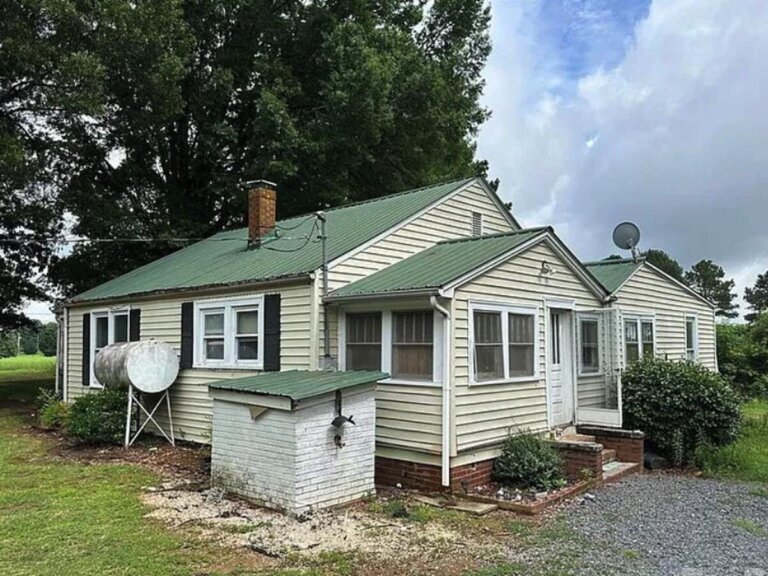
2026 · He carried the note
Orchard Lane, Albemarle
One sale of this house had already fallen through, and the neighbors refused to sign off on the old survey. His tenants were behind on the rent and the power bill, and he was facing an eviction. The house sat on about two acres next to his mother’s home. He agreed to finance the sale himself for a short term, giving us six months to pay him off. The tenant situation became ours, and he was paid in full within two months. More Albemarle sales.
How a sale on terms works
Step 1
Tell us what you owe
The loan balance, the payment, and what matters most to you: a date, a monthly check, or being done with it.
Step 2
We show you cash and terms
One visit. Then two written offers when both make sense, so you can see what each one pays and when.
Step 3
An attorney papers it
A North Carolina closing attorney draws the note and deed of trust, or the papers for a sale subject to your loan, and explains them. Take them to your own attorney too. Then we close.
Listing the house, or selling to us on terms
An honest comparison. If you have equity and time, a sale that pays you in full on closing day is the simpler one.
Selling to us
Terms built around what you owe
Terms are one tool. When cash serves you better, we offer cash.
- Owe about what it is worth? We can take over the payments, so you do not pay to sell.
- Paid over time, if you like. You finance the sale to us, secured by the house.
- Everything in writing. The closing attorney draws the note, the deed of trust and the dates.
- No commission. No agent is involved, so no percentage comes off the top.
- No closing costs. We pay the attorney, which runs $1,800 to $2,200 on most sales.
- As is. No repairs and no showings, the same as our cash purchases.
Listing with an agent
A clean break, when the numbers allow
The better road when you have equity to spare and a buyer’s bank can pay you in full.
- Commission. Generally 5.5% to 6% of the price: $14,300 to $15,600 on a $260,000 house. The rate is negotiable.
- Thin equity. When you owe close to the price, the commission and seller costs can mean bringing money to closing.
- Paid in full at closing. The buyer’s lender pays off your loan and nothing stays in your name. That is the real advantage of a normal sale, and it is worth a lot.
- Repairs and showings. The house has to be ready for buyers, inspectors and an appraiser.
- Time. The payments, the taxes and the insurance stay yours until the day it closes.
- No sure closing. A buyer is allowed to back out for any reason during due diligence, and a loan can still fall through after that.
The honest math: terms carry risk for a seller that cash does not. With owner financing you wait for your money. In a sale subject to your mortgage, the loan stays in your name until it is paid off. With equity and time, a normal sale that pays you in full is cleaner. Terms earn their place when you owe about what the house is worth, or when steady payments suit you better than one check.
Owner financing and subject to sales in North Carolina, risks included
General information, not legal advice. Have your own attorney read the papers before you sign. Tap a line to open it.
Owner financing in plain terms
You sell the house and take back a promissory note for part or all of the price. A deed of trust recorded against the house secures the note, the same tool a bank uses. If the buyer stops paying, you can foreclose and take the house back.
In Albemarle the note ran six months, and we paid it off in two.
What you can collect if a buyer defaults
When a seller finances the purchase price and later forecloses, North Carolina does not allow a deficiency judgment for any shortfall (N.C.G.S. 45-21.38). The house itself is your security.
That makes the down payment, the length of the note and the buyer’s track record worth a hard look.
Selling subject to your existing mortgage
The deed passes to the buyer, your loan stays in place and the buyer makes the payments. The loan is still in your name, and it still appears on your credit, until it is paid off or refinanced.
You are trusting the buyer to pay on time every month. In Taylorsville that buyer was us, and an improvement loan was paid off at closing.
The due on sale clause
Nearly every mortgage lets the lender demand the full balance if the house is sold or transferred without its consent, and federal law allows lenders to enforce that clause (12 U.S.C. 1701j-3). The exceptions the statute lists, such as a transfer to a spouse or children or into your own living trust, do not cover a sale to an outside buyer.
Whether a lender acts on it is up to the lender. Anyone who offers to buy your house this way should tell you so before you sign. We do.
Taxes when you are paid over time
We cannot give tax advice. The IRS calls a sale an installment sale when at least one payment arrives after the year of the sale. Gain is then generally reported as the payments come in, and the interest you receive is ordinary income. See IRS Topic No. 705 and Publication 537.
Protections worth asking any buyer for
Whoever the buyer is, ask for these in writing: a closing handled by a North Carolina attorney, a recorded deed of trust if you are carrying a note, proof of insurance on the house, a way to confirm each mortgage payment in a subject to sale, and a clear statement of what happens if a payment is late.
Questions about selling on terms
What is the difference between owner financing and subject to?
With owner financing you are the lender: the buyer owes you, and a deed of trust on the house secures it. In a subject to sale your own lender stays in place, and the buyer takes over the payments on your loan.
Is it allowed to sell a house with my mortgage still on it?
A sale that leaves the loan in place is not against the law, but it can give the lender the right to call the loan due. Have your own attorney explain the papers before you sign.
What happens to my credit?
The loan stays on your credit report for as long as it is in your name. Payments made on time help you and late ones hurt you, which is why you should be able to see every payment being made.
What if the buyer stops paying?
Under owner financing you foreclose and take the house back. In a subject to sale the contract should say exactly what your remedies are. Ask the attorney to walk you through them before closing day.
How long would I carry the financing?
That is negotiated. In Albemarle the term was six months, and we paid the seller in full in two.
Can I get some cash at closing?
Often. A sale can be part cash and part terms. In Taylorsville an improvement loan was paid off at closing, and we took over the mortgage payments.
Do you only buy on terms?
No. Most of what we buy, we buy for cash. Terms come up when cash alone does not solve the seller’s problem.
Where we buy on terms
The same 13 counties as our cash purchases: Mecklenburg, Iredell, Gaston, Rowan, Catawba, Cabarrus, Union, Lincoln, Cleveland, Davidson, Davie, Alexander and Stanly. The two sales on this page were in Taylorsville and Albemarle.
Who you are dealing with
Solution Home Buyers, LLC is a family owned company in Cornelius that has bought houses since 2015, more than 500 of them since 2018. Nearly all were cash purchases. A few were bought on terms, when that was what the seller needed. About our company · Meet our team
Sources: 12 U.S.C. 1701j-3. N.C.G.S. 45-21.38. IRS Topic No. 705, installment sales. This page is general information, not legal or tax advice.
Ask for a cash offer and a terms offer
Call (704) 870-2100 or send the form. Tell us what you owe and what you need from the sale. There is no fee, and no pressure to choose either one.