
Sell a House With Back Taxes or HOA Liens in North Carolina
A county can auction a house over unpaid property taxes, and a homeowners association can foreclose over unpaid dues. A sale pays both at closing. We buy as is, work to your sale date and pay all closing costs.
500+
houses bought since 2018
13
counties around Charlotte
4.8 ★
on Google, 52 reviews
Two sales with a county or an HOA closing in
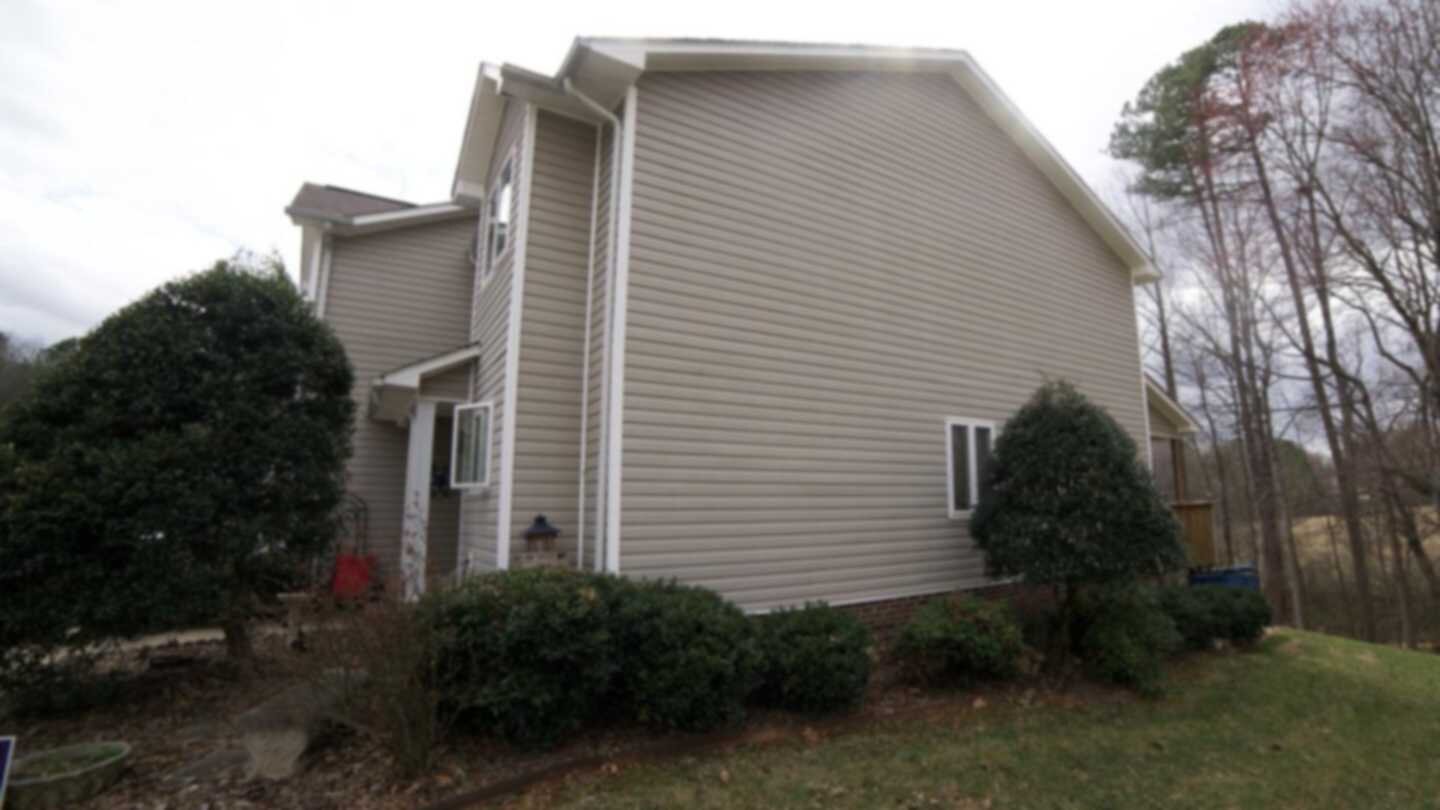
Real homes on real streets that we actually purchased. No stock images. Names and house numbers are left out for the sellers’ privacy.
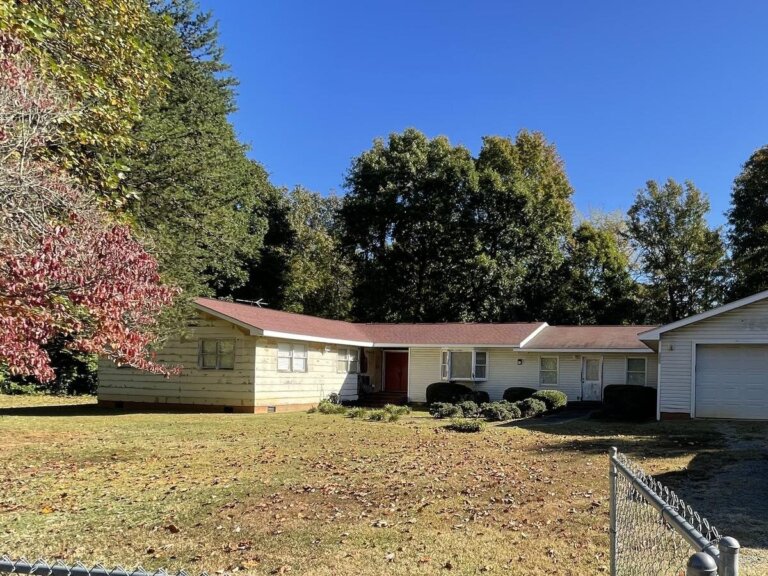
2023 · Four days before the auction
Hubbard Road, Charlotte
The owner still lived in this 4,000 square foot house on nearly an acre, part of which had once been a daycare. Back taxes had put it on the county auction list for November 7. Half the roof was done, water had come in around the doors, and he expected major repairs. He had called several companies. We closed on November 3, as is, eighteen days after his first contact, and he stayed on for 30 days afterward. More Charlotte sales.
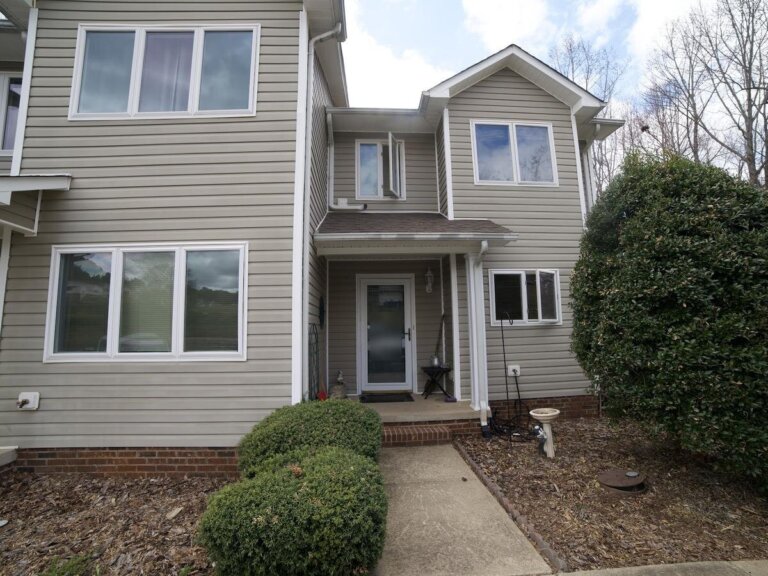
2025 · Behind with the HOA and the bank
White Oak Court, Claremont
The owner of this 2002 condo had fallen behind on her mortgage and her HOA dues. A foreclosure was underway, and she had nowhere lined up to move. On top of that, another investor had put a memorandum on her title, claiming a contract. That paper did not meet the state’s signature requirements. The closing attorney cleared it, and the sale closed 49 days after her first call. More Claremont sales.
How selling with back taxes or an HOA lien works
Step 1
Tell us what is owed, and any date
Tax years behind, HOA balance, and whether a sale date or a letter from an attorney has come. Rough figures will do.
Step 2
We see the house and get payoffs
One visit. The closing attorney asks the county and the association for payoff figures good through closing day.
Step 3
The debts are paid at closing
Our offer is in writing. At closing the attorney pays the taxes, the dues, their interest and costs, and any mortgage. The foreclosure ends, and the money left over is yours.
Listing with taxes or dues behind, or selling to us
A fair comparison. When no sale date is set and the debt is small beside the value, a listing often leaves you more.
Selling to us
Paid off at closing, ahead of the date
Expect our price to run under a listing price. It comes with a closing that can land before the auction.
- The county is paid at closing. Taxes, interest and costs come out of the sale.
- So is the HOA. Dues, late fees and the lien are settled on the same statement.
- No repairs. A half done roof or water at the doors does not change our interest.
- No commission. There is no agent in the sale and no percentage owed.
- No closing costs. The closing attorney, $1,800 to $2,200 in most sales, is ours to pay.
- Time to move. In Charlotte the owner stayed 30 days after closing.
Listing with an agent
More money, if the date allows
The better choice when nothing is scheduled and the house can be shown.
- Commission. Generally 5.5% to 6% of the price: $13,200 to $14,400 on a $240,000 house. The rate is negotiable.
- The calendar. A listing needs weeks for photos, showings and a buyer’s loan. An auction date does not wait.
- The debt keeps growing. Unpaid taxes add three quarters of a percent every month. Once a foreclosure is filed, the county’s costs and attorney fees go on top.
- Repairs. Buyers with loans want a house that passes inspection and appraisal.
- Dues keep running. The association bills every month the house sits on the market.
- No sure closing. During due diligence a buyer is free to cancel for any reason. Lose one close to the sale date and there may be no time for another.
The honest math: if the taxes or dues are a small part of what the house is worth and no sale date is set, you have time. Ask the tax office what it will accept, or list the house and pay the bill at closing. If a date is set and it is weeks away, a closing you can count on is worth more than a price you may not reach in time.
How tax and HOA foreclosures work in North Carolina
General information, not legal advice. The county tax office and the association can give you exact figures. Tap a line to open it.
How a tax bill becomes a lien and grows
Property taxes are due September 1 and can be paid without interest through January 5. After that, interest is 2% for January and three quarters of a percent for each month that follows (N.C.G.S. 105-360). The unpaid tax is a lien on the property itself, so it follows the house, not the owner.
The two ways a county forecloses
A county can file a lawsuit much like a mortgage foreclosure (N.C.G.S. 105-374). Or it can use the in rem method, which needs no lawsuit and no hearing: the tax collector mails notice by certified mail at least 30 days ahead, then dockets a judgment against the property (N.C.G.S. 105-375).
After an in rem judgment, a sale can be held no sooner than three months later, and the sheriff mails notice at least 30 days before it. Mecklenburg County describes both methods on its tax foreclosure page.
How long you can still pay it off
Longer than most owners think. In a lawsuit foreclosure, the owner can pay the taxes, interest and costs and stop it any time before the court confirms the sale. Under the in rem method the right lasts until the upset bid period ends. The UNC School of Government lays this out in its bulletin on tax foreclosures.
After the auction there are 10 days for higher bids, and each new bid starts another 10. A closing that pays the county in full inside that time ends the foreclosure. In Charlotte we closed four days before the auction itself.
What a tax sale does to the mortgage and the money left over
A tax foreclosure generally wipes out junior liens, mortgages included, and the buyer takes the property free of them. What is bid above the costs and the taxes goes to the clerk of court for the former owner or other creditors.
Selling before the auction keeps the price, the buyer and the timing in your hands.
How an HOA lien starts
In a planned community, an assessment that goes 30 days unpaid becomes a lien once the association files a claim of lien with the clerk of superior court. It has to mail the owner a statement of what is owed at least 15 days before filing. The lien ends unless the association starts to enforce it within three years (N.C.G.S. 47F-3-116).
When an HOA can foreclose
Once an assessment is 90 days or more past due and the board votes to foreclose on that lot, the association can foreclose the way a mortgage lender does, through a trustee. An owner can stop it by paying what is owed before the upset bid period runs out. A lien made up only of fines has to go through a lawsuit instead.
A first mortgage recorded earlier stays ahead of the association’s lien. Condominiums have a matching statute, N.C.G.S. 47C-3-116, noted in the court system’s guide to foreclosures. Legal Aid of North Carolina can be reached at 1-866-219-5262.
Questions about back taxes and HOA liens
Can I sell my house if I owe back taxes?
Yes. Property taxes are a lien on the house, and the closing attorney pays them from the sale. You do not have to catch them up first.
The county has set an auction date. Is it too late?
Not yet. The right to pay the taxes off lasts beyond the auction day itself, as the section above explains. In Charlotte we closed four days before the auction, eighteen days after the owner first reached out.
How much do I really owe?
The tax bills plus interest: 2% for January, then three quarters of a percent a month. Once a foreclosure starts, the county adds its costs and attorney fees. The tax office or its attorney can give a payoff figure good through a set date.
My HOA has filed a lien. Can I still sell?
Yes. The lien is paid at closing like any other, together with the dues owed through that day. The association or its attorney issues a payoff letter, and the closing attorney asks for it.
Can an HOA really foreclose over dues?
In North Carolina, yes. Once an assessment is 90 days or more past due and the board votes to foreclose on that lot, the association can use a power of sale foreclosure, much as a mortgage lender would.
I owe the county, the HOA and the mortgage. Who gets paid first?
At a normal closing all of them are paid in full from the price, so the order only matters when the price falls short. Then someone has to agree to take less. We have negotiated a reduced payoff with a lender before, in Thomasville.
Can I have time to move after closing?
Ask us. In Charlotte the owner stayed in the house 30 days after closing while he moved.
What does selling to you cost me?
Nothing up front and nothing at closing. There is no commission, and the closing costs are ours. The taxes, dues and any loan are paid from the price, and you receive the rest.
Where we buy houses with tax or HOA debt
In each of these 13 counties: Mecklenburg, Iredell, Gaston, Rowan, Catawba, Cabarrus, Union, Lincoln, Cleveland, Davidson, Davie, Alexander and Stanly. Property taxes are collected by the county, so the payoff comes from that county’s tax office. Towns on this page: Charlotte and Claremont.
Who you are dealing with
Solution Home Buyers, LLC, a family owned home buyer in Cornelius. We started in 2015, and more than 500 houses have sold to us since 2018. A North Carolina closing attorney orders every payoff and pays the county, the association and any lender directly. About our company · Meet our team
Sources: N.C.G.S. 105-360, 105-374, 105-375 and 47F-3-116. UNC School of Government, Property Tax Bulletin 183 (May 2025). Mecklenburg County tax foreclosures. North Carolina Judicial Branch, foreclosures. This page is general information, not legal or tax advice.
Get a written offer before the sale date
Call (704) 870-2100 or send the form with what is owed and any date you have been given. It costs nothing to find out where you stand.