
Sell a Duplex or Small Multifamily in North Carolina
Both units rented, one empty, or one that was never finished. We buy duplexes and small multifamily buildings as they are, keep the tenants who want to stay and pay all closing costs.
500+
houses bought since 2018
13
counties around Charlotte
4.8 ★
on Google, 52 reviews
Two duplex sales, start to finish
Real homes on real streets that we actually purchased. No stock images. Names and house numbers are left out for the sellers’ privacy.
2022 · Twenty years of her own repairs
Beam Avenue, Gastonia
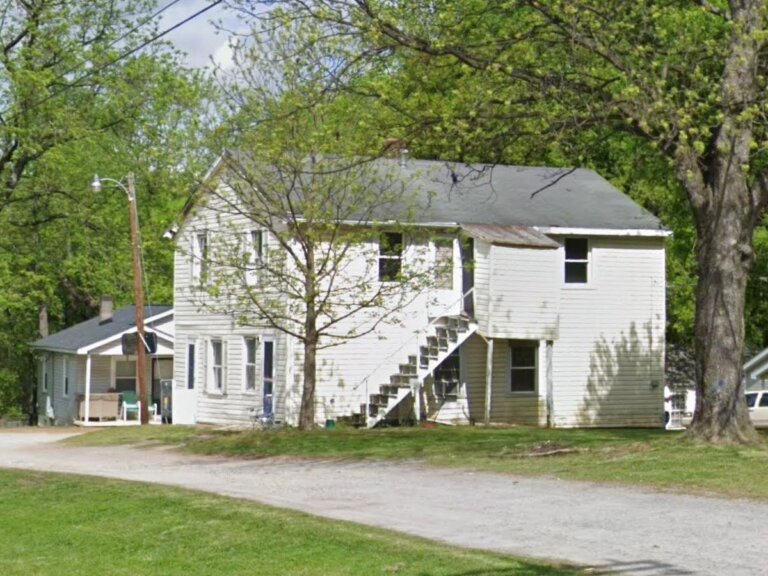
A landlord who had owned this duplex since 2005 was ready to start downsizing, after about 20 years of doing the repairs herself. The bottom unit had just come vacant. The top unit had never been rented or renovated and needed new outside stairs, and the building shared a community well. She wanted a fair offer without fixing a thing. We bought both units as is, within three months of her first call. More Gastonia sales.
2021 · Both tenants stayed
Wilson Street, Kannapolis
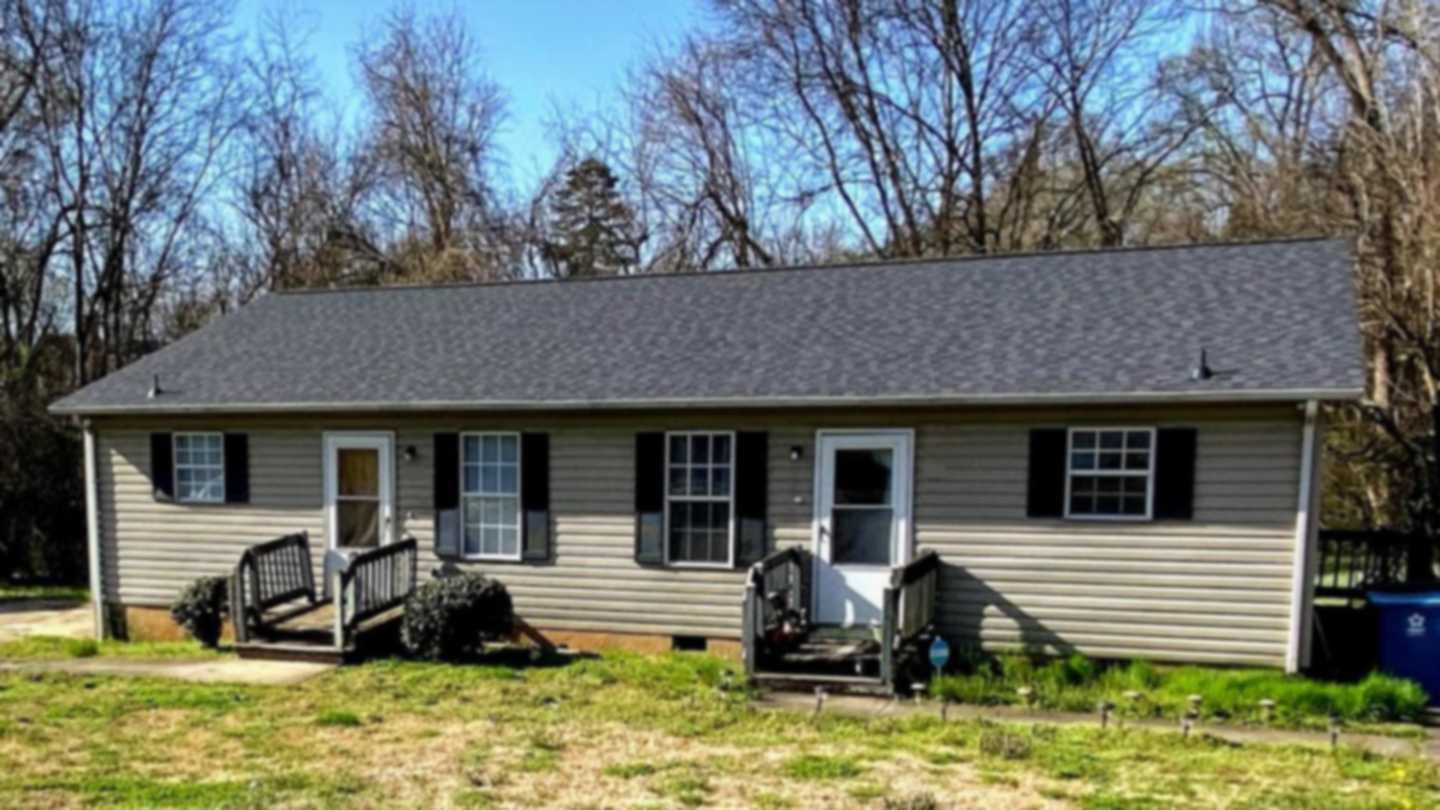
The couple who owned this duplex texted us one morning: “We’re thinking about selling. Do you want to do a drive by?” Each unit was rented to a tenant who had been there more than a year and was now month to month. We bought the building with both of them in place. Nobody had to move, and the owners never made a repair. More Kannapolis sales.
How selling a duplex to us works
Step 1
Send us the rent roll
Who lives in each unit, what they pay, when each lease ends and the deposits you hold. Handwritten is fine.
Step 2
One visit to every unit
We schedule it with you and give the tenants notice. Empty or unfinished units are part of the picture, not a problem.
Step 3
A written offer, then closing
The offer shows our numbers. At closing the attorney prorates the rents, credits the deposits and records the deed. Leases carry over to us, and your tenants get a letter saying where to pay.
Listing a duplex, or selling it to us
Plainly put. A full building with solid leases and clean records will often do better with an agent who knows investors.
Selling to us
Every unit, as it is
We pay under what a polished, fully rented building can bring. You skip the prep, the showings and the lender.
- Tenants stay. We buy with the leases in place and take over as landlord.
- Empty or unfinished is fine. In Gastonia one unit had never been rented.
- No tidy books needed. Low rents, a missing lease or a late payer do not stop us.
- No commission. You keep the percentage a listing agent would be paid.
- No closing costs. Our side covers the attorney, $1,800 to $2,200 on a typical closing.
- One visit. Your tenants see us once, with notice, and that is all.
Listing with an agent
A wider pool of investors
Often the higher price when the building is full, the rents are current and the records are in order.
- Commission. Generally 5.5% to 6% of the price: $16,500 to $18,000 on a $300,000 building. The rate is negotiable.
- Buyers want the books. Leases, rent history, expenses and repair records, all in order.
- Financing gets stricter with size. Two to four units can go on a home loan. Five or more means a commercial loan, with its own appraisal, a review of the rents and more time.
- Showings in occupied units. Each visit means notice to every tenant, every time.
- Repairs in every unit. An inspector writes up each kitchen, bath and stairway.
- No sure closing. Investors use the due diligence period to go through leases and rents, and they are free to walk away for any reason.
The honest math: a full building with good leases, market rents and clean records will usually sell for more through an agent who works with investors. Vacant units, rents below the market, repairs put off for years or an owner ready to be finished tip the answer toward a direct sale.
What North Carolina law means for the sale of a rented building
General information, not legal advice. Tap a line to open it.
Leases go with the building
Selling a building does not end its leases. The buyer takes it subject to them, a point the state Realtors association covers in its legal Q&A on leases. A lease of more than three years has to be recorded to bind a buyer.
For an investor that is good news: the rent keeps coming. In Kannapolis both tenants stayed, and neither had to sign anything new on closing day.
Deposits change hands too
A landlord who sells has 30 days to transfer each security deposit to the new owner and mail the tenant the new owner’s name and address, or else to return the deposit (N.C.G.S. 42-54). With two or more units, bring a list of the deposits to closing so each one is credited.
Month to month tenants
Many long time tenants are month to month, as both were in Kannapolis. A tenancy like that can be ended on seven days’ notice before the end of a month (N.C.G.S. 42-14), though a written lease may say something different. We bought that building with both tenants staying.
Two to four units and the disclosure form
The state’s residential disclosure law covers property with one to four dwelling units, so a duplex, a triplex or a quad sold on the market comes with the same disclosure statement as a house (N.C.G.S. 47E-1). Larger buildings fall outside it.
Shared wells, meters and stairs
Older duplexes often share things: one well, one water meter, one set of outside stairs. Buyers who need a loan can stumble on that. The Gastonia duplex was on a shared community well and needed new stairs to the upper unit, and we bought it as it was.
Taxes when an income property sells
We cannot give tax advice. Bring one point to your accountant: the depreciation you deducted over the years, or could have deducted, lowers your basis, and that raises the gain when you sell. The IRS explains basis in Publication 527 and sales in Publication 544.
Questions duplex owners ask us
Do you buy duplexes with tenants in both units?
Yes. In Kannapolis both units were rented, both tenants were month to month and both stayed. The owners never had to ask anyone to move.
One unit is empty or was never finished. Is that a problem?
No. In Gastonia the bottom unit had just come vacant and the top unit had never been rented or renovated. We bought both as is.
Do you buy triplexes, quads or small apartment buildings?
Send it over. Duplexes are what we have bought most in this size, and we will look at triplexes, quads and small apartment buildings as well.
Do I need leases and rent records to sell?
Bring what you have. A rent roll on a sheet of paper is enough to start: who lives where, what they pay, when the lease ends and what deposit you hold.
The building needs work. Do I have to fix it first?
No. The Gastonia duplex needed new outside stairs and one whole unit had never been renovated. The owner wanted a fair offer without fixing anything, and that is what she got.
Will my tenants have to move?
Not because of the sale. A lease stays in force when a building sells, and month to month tenants keep renting until someone gives proper notice.
How do you price a small multifamily?
Two ways, and we show you both: what similar buildings nearby have sold for, and what the rents support once taxes, insurance and repairs are paid.
What does it cost me to sell to you?
No commission and no closing costs. Rents are prorated to the day of closing, deposits are credited to us, and the settlement statement shows each figure.
Where we buy duplexes and small multifamily
Throughout our 13 counties: Mecklenburg, Iredell, Gaston, Rowan, Catawba, Cabarrus, Union, Lincoln, Cleveland, Davidson, Davie, Alexander and Stanly. The duplexes on this page are in Gastonia and Kannapolis, and another we bought is on the Salisbury page.
Who you are dealing with
Solution Home Buyers, LLC, a family owned buyer based in Cornelius and founded in 2015. Since 2018 we have bought more than 500 houses, duplexes among them, and we have kept tenants in place when they wanted to stay. About our company · Meet our team
Sources: N.C.G.S. 42-14, 42-54 and 47E-1. NC REALTORS legal Q&A on leases and sales. IRS Publication 527 and Publication 544. This page is general information, not legal or tax advice.
Get a cash offer for your duplex
Call (704) 870-2100 or send the form with the address and the rents. Finding out costs nothing, and the decision stays with you.